Mini-Splits vs. Traditional HVAC: What’s the Difference?
Mini-Splits vs. Traditional HVAC: What’s the Difference?
When it comes to heating and cooling your home, you have several options, but two of the most common systems are mini-splits and traditional HVAC systems. While both are designed to keep your home comfortable year-round, they operate in very different ways. Understanding the
differences can help homeowners choose the best system for their space, efficiency needs, and budget.
What Is a Mini-Split System?
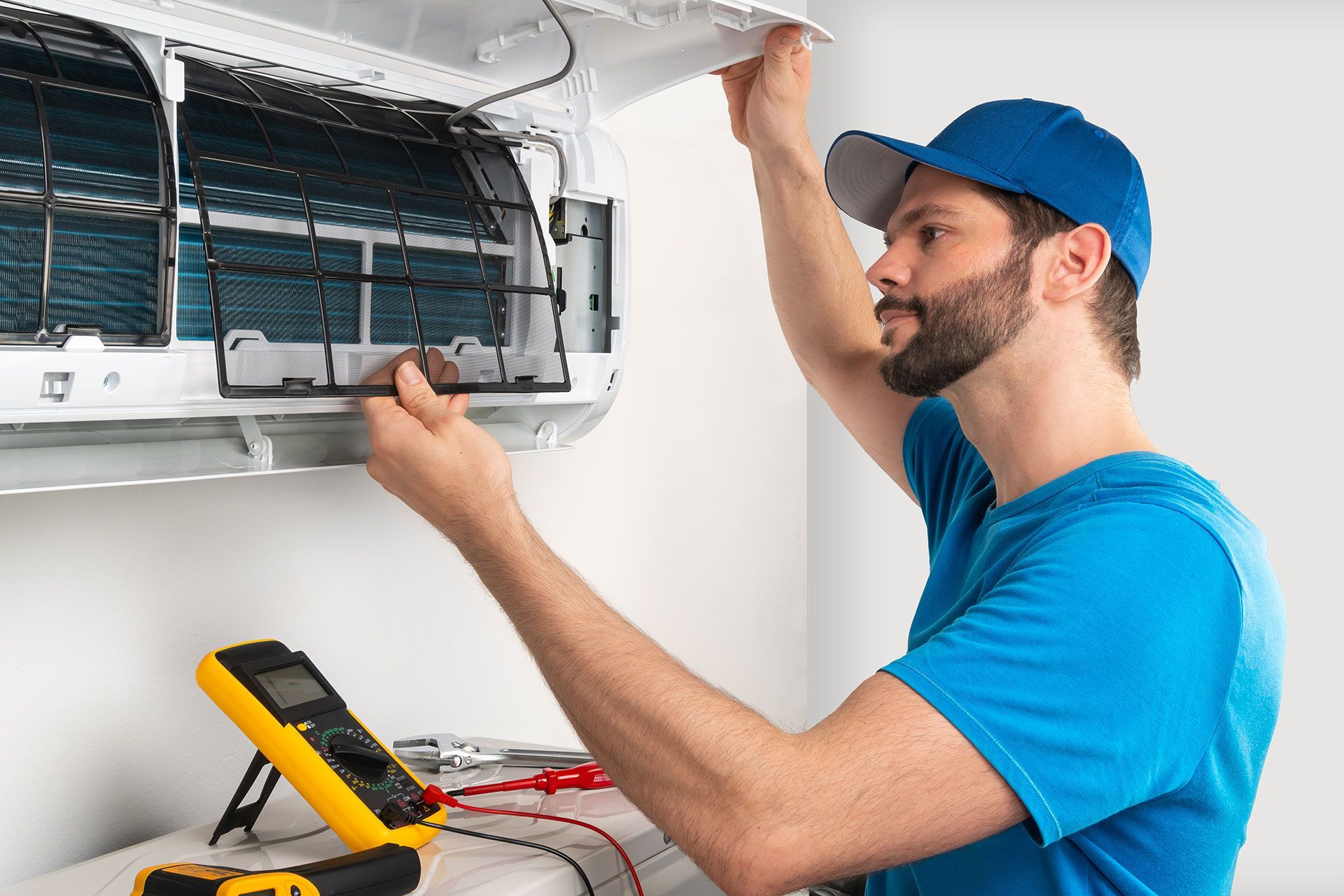
A mini-split, also known as a ductless mini-split, is a heating and cooling system that does not rely on ductwork. Instead, it uses an outdoor compressor unit connected to one or more indoor air-handling units mounted on walls or ceilings.
Each indoor unit controls the temperature of a specific area or “zone” in the home.
Key Features of Mini-Splits
- No ductwork required
- Zoned temperature control
- Energy-efficient operation
- Quiet performance
- Flexible installation
Mini-splits are often used in home additions, older homes without ducts, garages, sunrooms, or individual rooms that need better climate control.
What Is a Traditional HVAC System?
A traditional HVAC system (Heating, Ventilation, and Air Conditioning) typically includes a central air conditioner and furnace or heat pump that distributes heated or cooled air throughout the home via ductwork.
Air travels through ducts and vents to maintain a consistent temperature across the entire house.
Key Features of Traditional HVAC
- Uses centralized ductwork
- Single thermostat control (in most homes)
- Whole-home heating and cooling
- Hidden components
- Common in newer homes with existing duct systems
Traditional HVAC systems are ideal for larger homes or properties already equipped with ductwork.
Major Differences Between Mini-Splits and Traditional HVAC
1. Installation
Mini-splits are generally easier and faster to install because they only require a small hole in the wall to connect the indoor and outdoor units.
Traditional HVAC systems require duct installation or existing ductwork, which can make installation more complex and costly, especially in older homes.
2. Energy Efficiency
Mini-splits are often more energy efficient because there is no energy loss through ductwork, which can account for up to 20–30% of energy consumption in some homes.
Traditional HVAC systems may lose energy through leaks or poorly insulated ducts.
3. Temperature Control
Mini-splits offer zoned climate control, allowing different rooms to have different temperatures.
Traditional HVAC systems typically use one thermostat, meaning the entire home is heated or cooled to the same temperature unless zoning systems are added.
4. Cost Considerations
Mini-splits can have higher upfront equipment costs, especially if multiple indoor units are needed.
Traditional HVAC systems may have higher installation costs if ducts need to be added or replaced.
5. Appearance
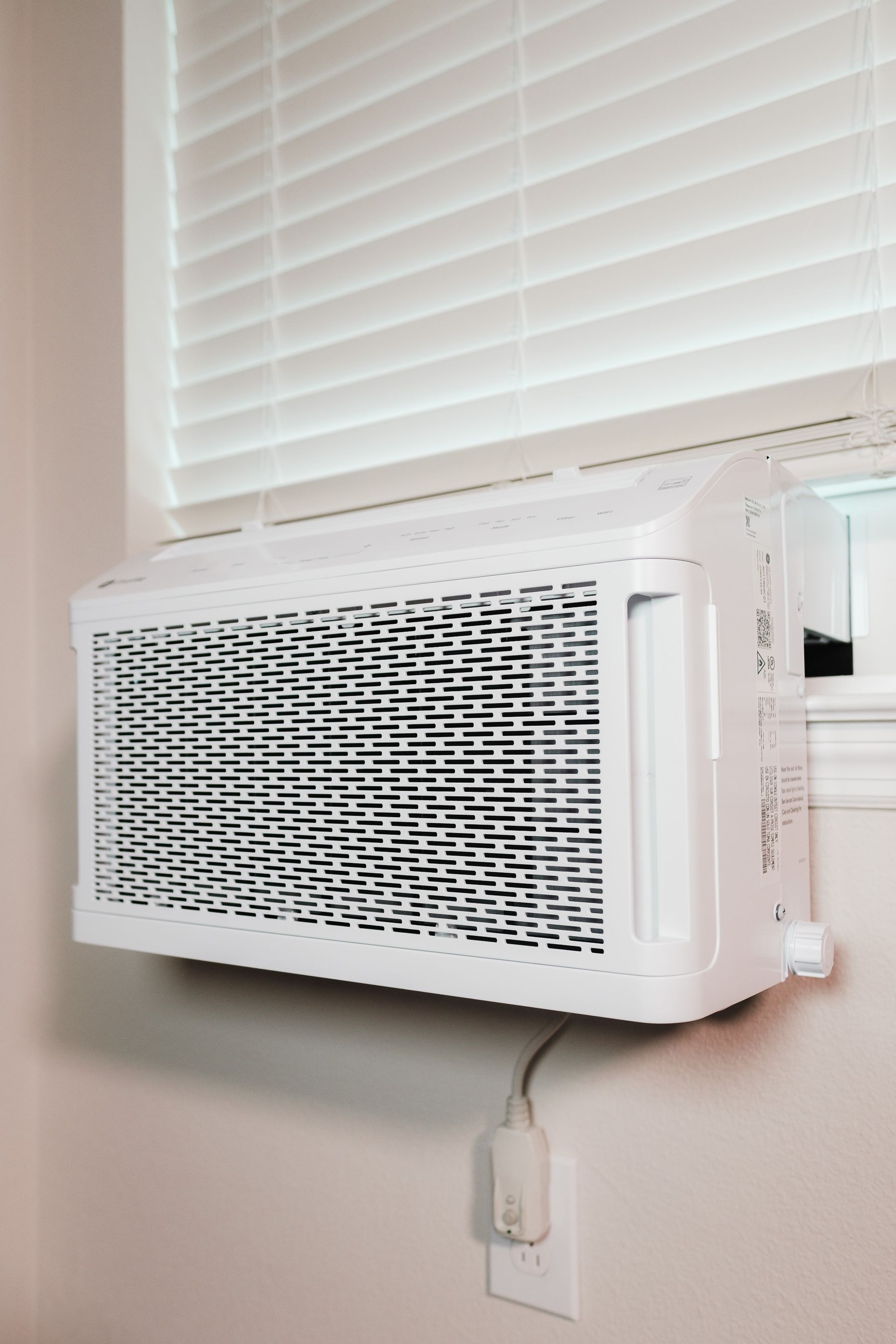
Mini-split indoor units are visible on walls or ceilings, which some homeowners may not prefer.
Traditional HVAC systems are mostly hidden behind walls, ceilings, and vents, creating a more discreet appearance.
Stay Comfortable Year-Round
Both mini-splits and traditional HVAC systems can provide reliable heating and cooling, but they serve different needs. Mini-splits offer flexibility and energy efficiency, while traditional HVAC systems provide whole-home comfort through a centralized setup.
If you’re unsure which system is right for your home, contact us at United Refrigeration & Air Conditioning. Our team can help you evaluate your space, energy goals, and budget to find the best solution. We proudly serve the Auburndale,
Winter Haven, Lakeland, and Haines City, FL areas.